Washington State University HomeWSU AdmissionsWSU CampusesWSU HomeWSU Search Tools*
edge graphic

Gardening In Western Washington
Presented by WSU Cooperative Extension

Choosing Vegetable Seeds

by Holly S. Kennell, WSU Extension Agent

This page contains links outside Washington State University which provide an option for finding further information.
No endorsement of products or information at these sites is implied.

Mary Robson (Ret.) Area Extension Agent
Regional Garden ColumnFeb 23, 2003

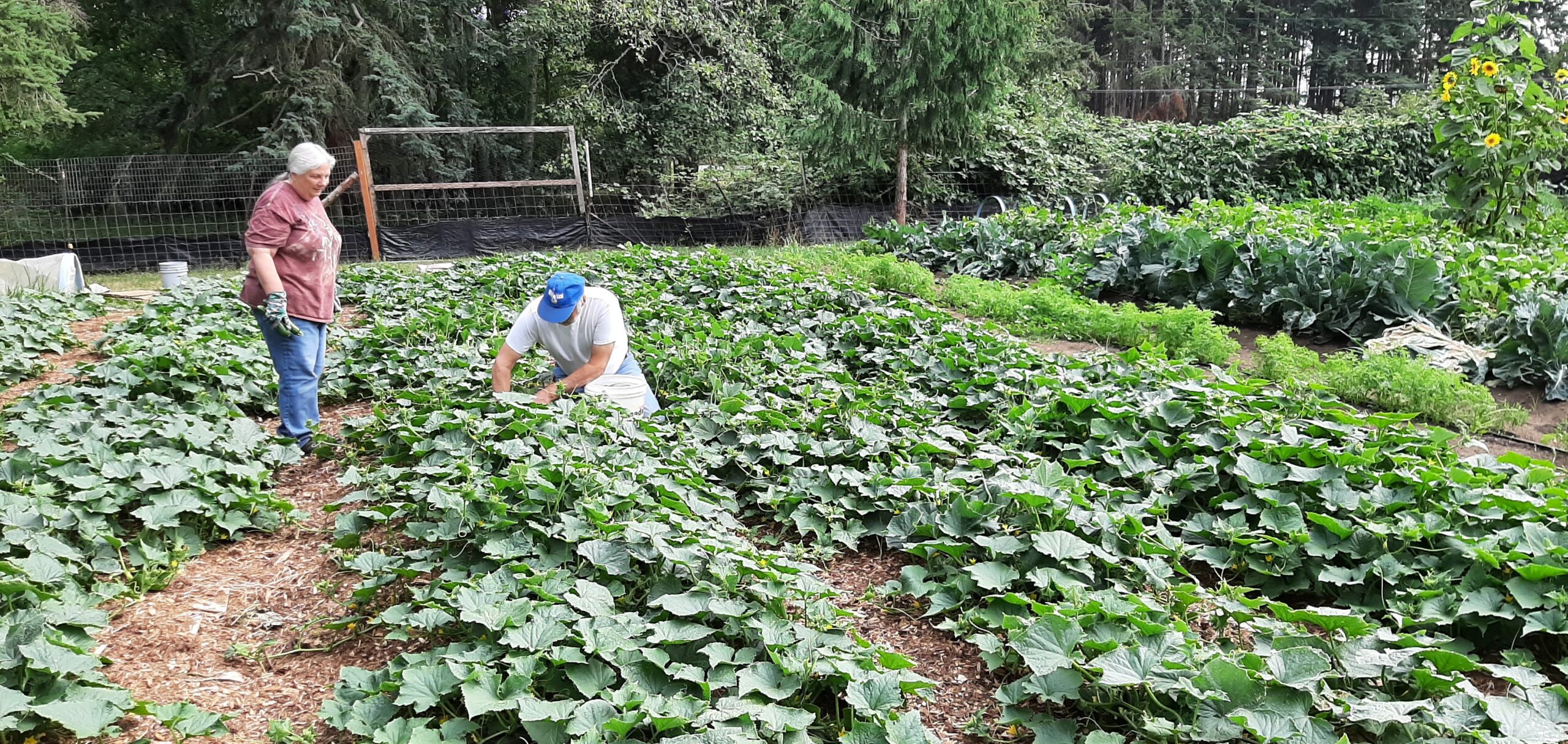
There is nothing to compare to the sweetness and flavor of steamed peas from your own garden, unless it’s a sun-warmed tomato straight from the vine. I consider home-grown produce one of life’s simple pleasures. If this is the year you are going to start a vegetable garden, here are some things to remember as you choose your vegetable seeds.

Some vegetables are easy; some are usually successful, if you know a thing or two; and some are a challenge, even if you know all the tricks. Among the easiest are beets, bush beans, collards, leaf lettuce, mustard greens, radishes, peas, summer squash and Swiss chard. The more difficult ones include cauliflower, celery, eggplant, limas, melons, and peppers.

In the Puget Sound area we have a long, frost-free growing season, often around 225 days. Compared to the majority of the country, however, our summers are very cool. Hot days are rare; cool, overcast days are frequent; and evenings usually cool off, even on warm days.

Some vegetables need a certain amount of accumulated heat to mature. This is reflected in the "days to maturity" numbers in the seed catalogs. National seed catalogs assume our days are warmer than they are, so these numbers aren't accurate for us. To get a realistic number, you usually must add 20-30% more days for heat-loving crops like tomatoes, peppers, sweet corn, squash, etc.

The silver lining to this climate story is that we can grow cool-weather crops through much of the year. In most parts of the country, spinach, lettuce, mustard greens, choys, etc. can be grown only during a very short period between winter frosts and summer heat. We can even winter over many hardy crops like kale, chard, and certain varieties of broccoli, cabbage, onions, etc.

Choose varieties marked "early" or "fast-maturing”. Another strategy is to order from local seed companies or ones that specialize in seed adapted to cold or short seasons. If you buy from seed racks or purchase transplants, you need to know your varieties. People assume that, if a particular cultivar is offered locally, it must be locally adapted. Unfortunately, that isn't always true. It is another instance of "let the buyer beware."

Knowing varieties that grow well here is your safest bet. Keep a record of which ones work for you, so that you can learn from experience. Don't trust your memory. Keep in mind the Divine Wisdom Motto -- "to remember is divine; to write it down is wisdom." Talk to your gardening friends and neighbors about their favorite varieties. For the results of vegetable trials at our WSU Research and Extension Unit.

Here are a few specific hints that may be useful:


Hortsense: Managing plant problems with Integrated Pest Management


navigational