|
|
|---|
Saving water in the garden doesn't mean depriving ourselves of beautfy and the relaxation that the garden can bring. A few wise choices now can help the garden as the summer progresses. Check soaker hoses and irrigation system now to be certain they operate well, with no inefficient leaks or plugged areas.
When purchasing plants, also consider the garden's watering needs. If plants naturally require regular irrigation, put them in groups together so that the water they need can be delivered efficiently. Some gardeners use a rule of design that guides plant placement by putting plants that require a bit more irrigation closer to hose sources, and watering very little, if at all, at farther distances from home hose bibs.
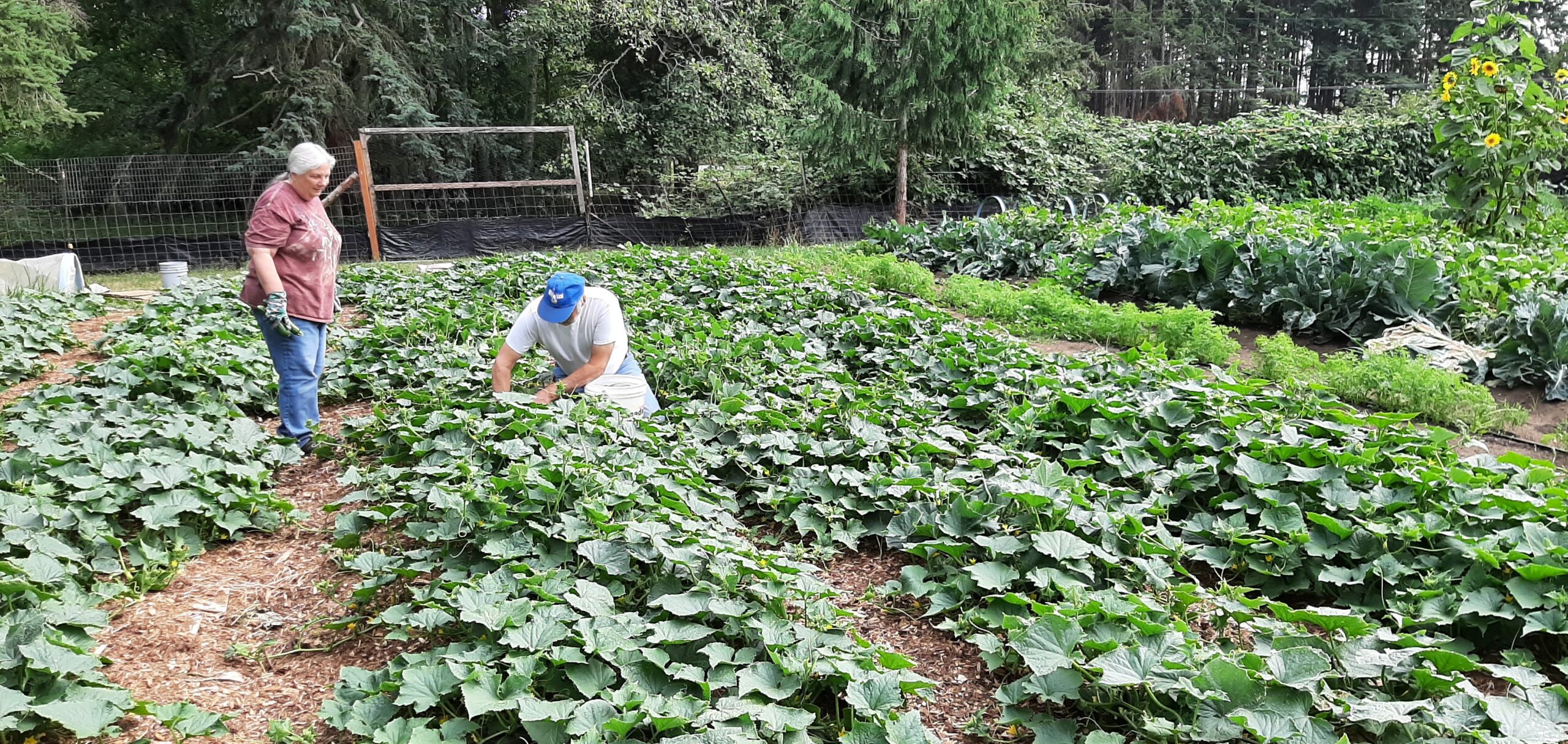
Vegetable gardens, without exception, need summer water to keep food growing crisp and juicy. Soaker hoses stretched throughout the vegetable garden will help to place water where it's needed next to the plant roots. A mulch placed over the vegetable garden will help to conserve summer water, but it's usual to allow the sun to warm the soil directly before placing the mulch in mid-June when soil temperatures are up.
The least effective way, and the way that uses the most water, is to have an overhead cascade of water falling from an old-fashioned sprinkler. People who measure water use have found that if a sprinkler runs on a bright sunny day, in mid-day, almost 50% of all the water being used will evaporate and never reach a plant root at all.
Container plants use water efficiently, especially when it's possible to catch rainwater in a barrel or other collection method and then use that for watering containers. It's possible to grow summer flowers, tomatoes, salad greens, herbs, and even small squash in large containers. The bigger the container, the better it holds water. Soil potting mixes are designed to retain moisture for plants, but if you want to increase the water-holding potential in potting mixes, add about 1/3 by volume of compost. You can either buy some manufactured compost or use your own home-grown. I use the leaf compost in my garden, putting it through a coarse sieve before adding it to the potting mix.
Garden annual flowers, the bright additions to summer, will need watering throughout their growing season. When they're in containers, it's easier to meet their needs. I catch the cold water that emerges from the shower before it warms and use that to water house plants and container plants. And if you have an unfixable leaky faucet, put a container under that drip. A small drip can give you several gallons of water per day.
Visit nurseries now to look at their low-water use plants. Nurseries can help you plan how to increase the water efficiency of the landscape through plant choices and efficient irrigation. Native plants and adapted non-natives will settle into the garden and grow well in future dry summers. Provide soaker hose irrigation for any plants you transplant or install during this spring to help them established for their healthy, long life in the garden.
Hortsense: Managing plant problems with Integrated Pest Management