Washington State University HomeWSU AdmissionsWSU CampusesWSU HomeWSU Search Tools*
edge graphic

Gardening In Western Washington
Presented by WSU Cooperative Extension

Planning for Big Harvest

by Holly S. Kennell, WSU Extension Agent

This page contains links outside Washington State University which provide an option for finding further information.
No endorsement of products or information at these sites is implied.

Mary Robson (Ret.) Area Extension Agent
Regional Garden Column Mar 23, 2003

The concept of growing our own fresh vegetables appeals to most of us, but few people have the time to put in and care for a big vegetable garden. The solution is obvious. Put in a tiny one, but make it as efficient and productive as possible.

Here are some hot tips to help you get the most out of your garden.

First Steps

Choose to grow crops that are valuable (herbs, asparagus, mesclun), productive (beans, summer squash, rhubarb) and more flavorful fresh from your garden (tomatoes, peas, leaf lettuce). Prepare the soil deeply and add the proper amendments.

Transplants

Use transplants whenever you can. Learn to grow them yourself. Seeds give us weeks of bare soil, so the weeds can move in. Transplants save you weeks or months, depending on the crop.

Growing Up

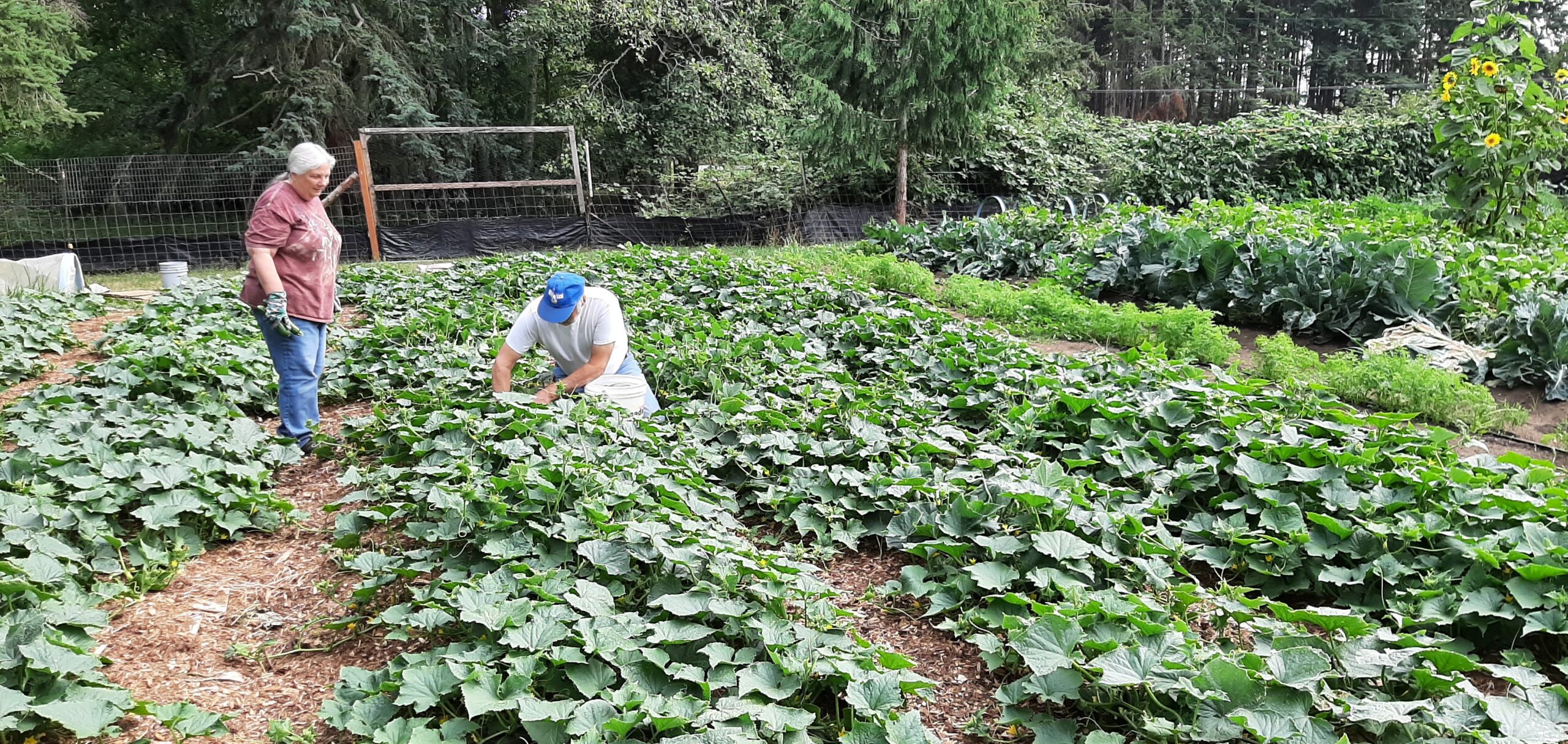
In a small garden space is important, so don’t let crops sprawl. Train the tomatoes up poles and cucumber vines up support frames. Winter squash and pumpkins take up lots of space. If you choose to grow them, tie them up onto a trellis. You can support the heavy fruit with slings, if needed.

Pole beans and climbing peas will give more production per square foot than bush cultivars. Provide support, even for short vines, so that they don’t fall over onto the neighboring crop.

Spacing and Intercropping

Assuming that you have prepared your soil well, you should plant in blocks not rows. By double digging and adding lime, organic matter and fertilizer, plant roots can go deep instead of sideways into their neighbor’s territory. Plants should be grown close enough together that their leaves touch, but not so close that they compete with each other for sunlight, water or nutrients. Consider the space needed by the mature plant, when setting out transplants. Seeded crops will need to be thinned to the final spacing.

Crops that need a big area eventually (like squash, tomatoes or cabbage) can be planted with an intercrop (such as leaf lettuce, green onions, spinach, mustard or radishes). Intercrops are fast-growing crops that can grow between large plants before the big ones need their full space. Intercropping allows you to get two crops out of the same space.

Successive Planting

Your garden will produce lots of vegetables in the summer. With planning, it can provide fresh vegetables all year. When one crop is harvested or past its peak, take it out and plant another crop. This successive cropping gives you much more food from the same amount of land. Growing successive crops, especially over winter, will require good cultural practices. Each time you replant, add compost and a balanced fertilizer to keep the soil healthy. Don't over-fertilize in the fall. Too much nitrogen will cause plants to be less cold hardy.

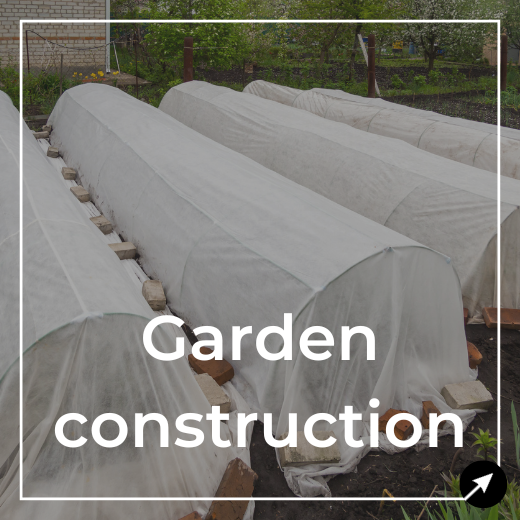
A floating row cover or well vented, clear plastic row cover over hoops will keep crops warmer. Giving crops protection will allow you to grow earlier in the spring and later in the fall. Many over-wintering crops will do better under row covers as well.

Mulch

Organic mulch is a busy gardener’s best friend. It shades the soil and keeps moisture from evaporating, but don’t apply it until the soil has a chance to warm up, especially around heat-loving crops. Mulch prevents many weed seeds from germinating and makes weeds easier to pull. It keeps veggies cleaner, since soil doesn’t splash up onto them. Last but not least, mulch can be turned under in the fall or the following spring to add organic matter to the soil.

With a little planning, you can get big harvests from a very small garden. If you need more information about preparing your soil, growing transplants or any other aspect of gardening, call your local Washington State University Master Gardeners.


Hortsense: Managing plant problems with Integrated Pest Management


navigational