|
|
|---|
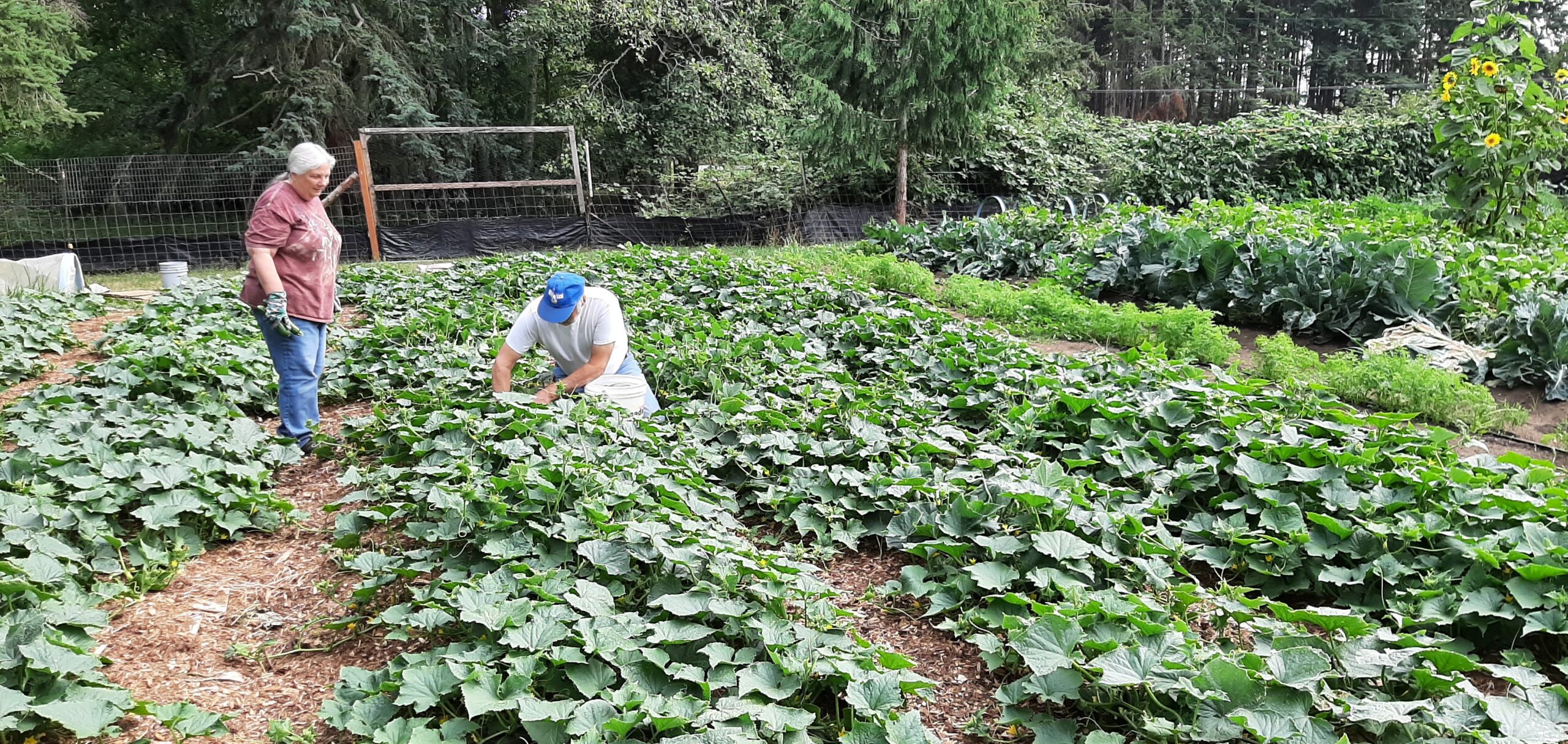
It's been a great spring for gardeners so far. We have had so much sun and heat that my soil is already warm enough to plant beans and corn. With a little protection on cool nights you can even plant tomatoes, cucumbers and squash, unless you live in a particularly cold microclimate. Be sure to harden off transplants for about a week before planting.
In the ornamental garden, you can put out tender flowers this month like impatiens and zinnias. Many people got spoiled by previous mild winters and didn’t dig their dahlia tubers and gladiola corms last fall. If lost yours to the winter cold, now is the time to replace them.
We all learned how important watering is during last year’s summer drought. Gardens need one inch of water per week and we often get less than an inch per month in the summer. Think about how nice it would be to have soaker hoses snaked through your garden. You could be watering while you weed or groom your beds. Such systems conserve water, which is worthwhile even if it didn’t save you money on your water bill.
Native Plants
Governor Locke has designated May 24th through 30th Native Plant Appreciation
Week. Although I enjoy going to the woods and the mountains to appreciate
native plants, I also like to grow them in my garden. Natives are adapted
to our climate and most make trouble-free landscape plants.
My present garden has many native plants and my “retirement” garden will have even more, since they are so easy. Vine maple works even on a small property and the fall color is a bonus. The June berry (or service berry) is also a must-have small tree. Berries that are adored by the birds will follow the while blossoms covering it right now.
Many native shrubs work in home landscape situations. I like broad-leaved evergreens, so Pacific wax myrtle, evergreen huckleberry, and good old salal are very useful. Washington’s native pink rhododendron deserves a place and , though deciduous, I will always want red-flowering currants. For a dry spot you can’t beat manzanita with gray-green leaves and red bark.
Kinnikinnick covers the ground nicely in sunny spots. Sword ferns, deer fern and maidenhair fern look perfect in more woodsy settings.
Unfortunately, many people stop about this point when planting a native garden. I believe that is why some people have the opinion that native landscapes are a bit dull. Without the native annuals, perennials and bulbs, a native garden lacks a certain sparkle. The problem is that many of these wildflowers are hard to find and, when you can, buying enough to make immediate impact is expensive. Never the less, these flowers are well worth the hunt and the cost.
We have planted many natives at our WSU Extension office at McCollum Park in south Everett. Our few fawn lilies have just finished blooming, the beautiful blue camas is in bloom right now and our one lonely tiger lily will bloom later this summer. The two stands of star-flowered false Solomon’s seal are multiplying nicely. Also in the lily family, we have a couple beargrass plants and trillium.
The native irises are just coming into bloom. They have been multiplying well and are real showstoppers. Last year we planted many pasque flowers that are also starting to bloom. When the plants get a bit bigger next year, that spot should be magnificent.
We have a start of the native bleeding heart, which will spread under the trees, and a very pretty pink variety of native oxalis. We finally got the little groundcover, Canadian dogwood, to take. Someone told me to plant it with some rotten wood and, by George, it worked.
Our fleabane, lavender daisies, are doing well, as are the penstemons that are great in dry spots. The mertensia, with its drooping blue bells, will need more water.
It is taking time to buy, get donated and propagate enough of these little beauties to make a big splash, but these are native plants that it is very easy to appreciate.
Hortsense: Managing plant problems with Integrated Pest Management