Washington State University HomeWSU AdmissionsWSU CampusesWSU HomeWSU Search Tools*
edge graphic

Gardening In Western Washington
Presented by WSU Cooperative Extension

What is IPM?

by Carolyn Pauw Barden, WSU Extension Master Gardener

This page contains links outside Washington State University which provide an option for finding further information.
No endorsement of products or information at these sites is implied.

Mary Robson (Ret.) Area Extension Agent
Regional Garden Column June 8, 2003

“Where can I get an IPM?” she asked. “I hear it kills bugs and I’m overrun with these orange crawlies!” I had to tell her that IPM is not a Buck Rogers electronic gadget that vaporizes tent caterpillars. This isn’t Camelot, you know. IPM is short for “Integrated Pest Management” and it is a way of looking at the total health of both the garden and the gardener. It is a system based on knowledge, not urban myth. IPM can save you both time and money. By following some simple steps, you can learn to distinguish real pest problems and deal with them without indiscriminate slaughter of beneficial insects. With IPM, you learn how to kill a gnat, if you must kill a gnat, without using an elephant gun.

The process begins with identification:

Before you do anything to your plants, you need to find out what you’ve got. This means identifying the type of plant, how it normally looks and grows, and what common pests afflict this kind of plant. Examine the growing conditions in your garden. Find the wet spots, hot spots, shady spots and areas of poor soil. Learn how your particular garden’s plant communities interact with one another. Find out what you’ve got to work with. For example, take the rhododendron, which has leaves that curl in cold weather (normal) and frequently suffers from ragged leaves caused by the chewing of root weevils (usual, but not desirable). It has a shallow fibrous root system and may need supplemental water especially if grown in sandy soil. It likes shade (but not too much) and can grow tall and gangly over time. Some kinds have a powdery substance on the back of the leaves (normal) but lots of rhodys suffer from powdery mildew (common, but not desirable).

The second step is diagnosis:

This means applying your knowledge to one plant or group of plants in your particular ecosystem. You look closely, analyze and determine if your problem is caused by poor cultural practices like over- or under-watering, or if it has an external cause like a disease organism or insect pest. Is your rhody too cold or too dry so that it’s leaves curl? Is the brown stuff on the leaves normal or is it a fungus? Are the brown spots caused by sunburn or something else? All the insecticide sprays in the home improvement store will not cure a case of sunburn.

Third, monitor the situation:

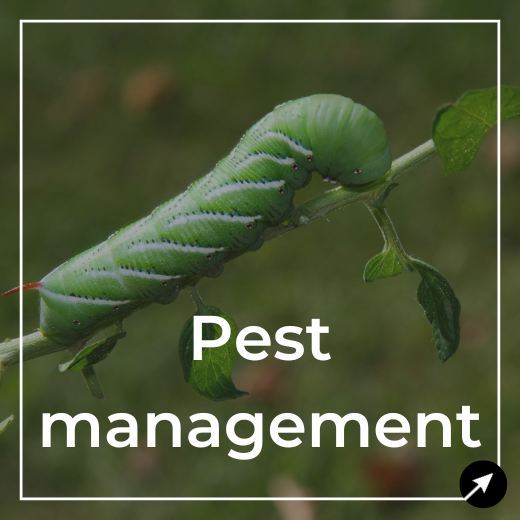
It may be self-correcting. Tent caterpillars eat voraciously for a few weeks, then turn into moths and seemingly disappear without any action on your part. A healthy tree will then grow new leaves. Some years the caterpillars are really bad—it’s a cyclical thing. Pruning out and destroying the tents as they appear is my method of control. Don’t be in such a hurry to put chemicals into your ecosystem. Remember, you have to live there, too.

Last, optimize plant health:

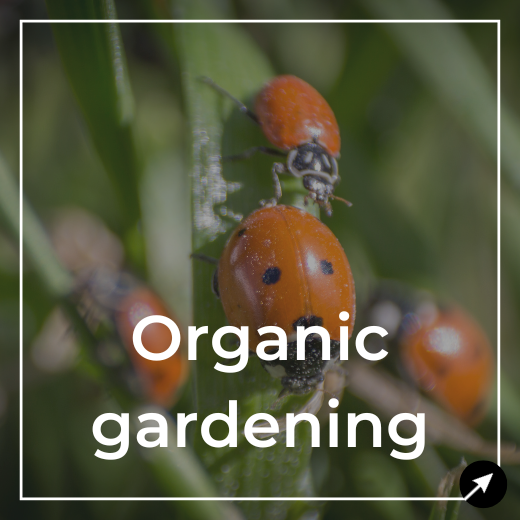
by good cultural practices and use of the least toxic remedy for pest problems that don’t get better on their own. Prune out and send the caterpillars out with the trash. Another common pest, the aphis, could be sprayed with carbaryl (but this is expensive, leaves toxic residue and kills bees) or it could be eaten by ladybug larvae (free). If you really can’t stand them, aphis can be washed off with water or doused with insecticidal soap. Again, use your knowledge to select an option that makes both you and your garden healthier over the long haul.

Where do you get the knowledge? Ask a Master Gardener at your local clinic, of course. Try the public library. The Sunset Western Garden Book is really helpful. The answers you need are not too hard to find it you just look around. The more you know the more you’ll enjoy your healthy garden.


Hortsense: Managing plant problems with Integrated Pest Management


navigational