|
|
|---|
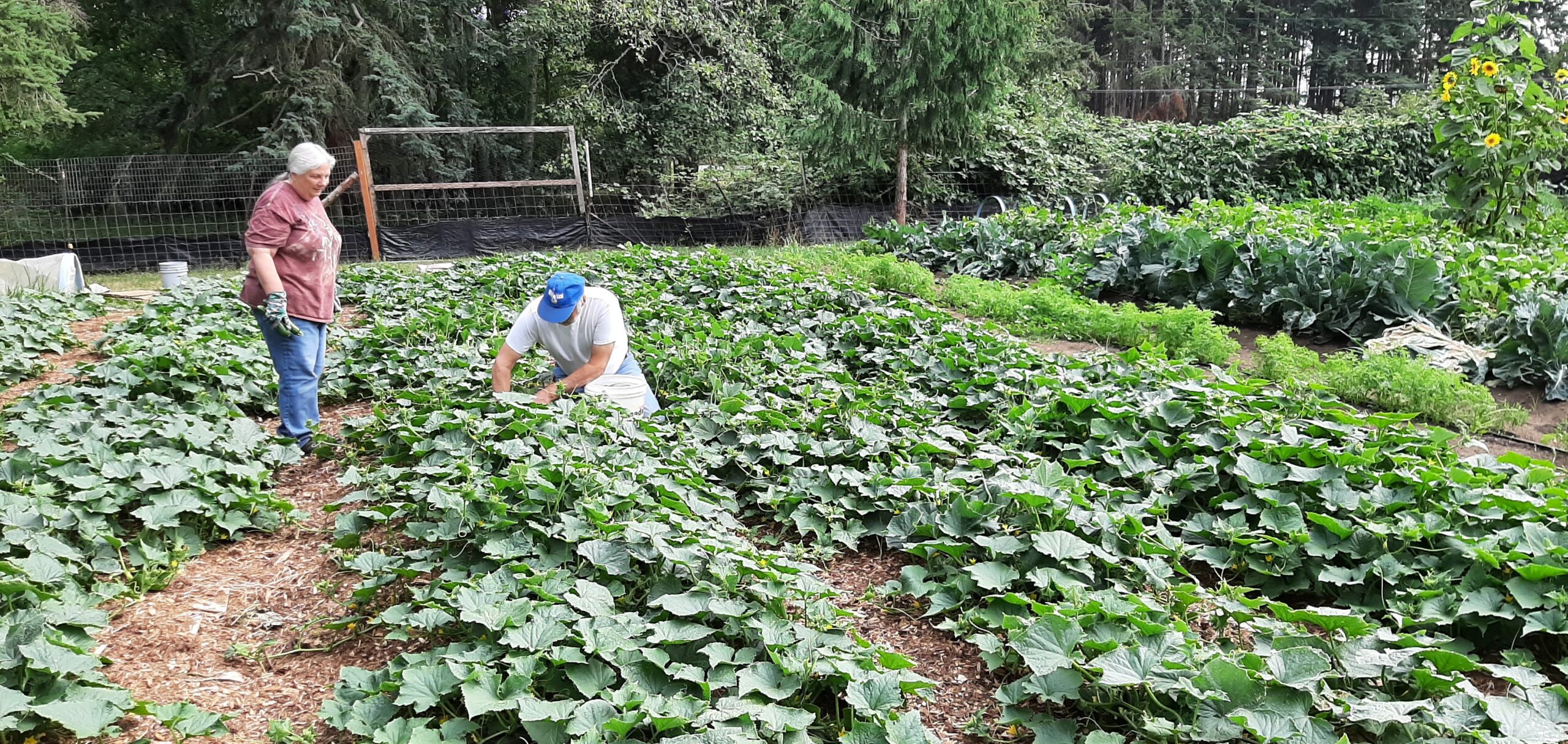
For those of us who did plant, it's time to replant. Although some crops require the whole growing season, many do not. As I have harvested early crops, I have opened up space in the garden for a second planting. Broccoli is filling in the space formerly occupied by the radishes and the tomatoes were planted where the first lettuce and romaine came out. Where lettuces are being harvested now, I am sowing more lettuce to keep my summer salad bowl full. Spinach occupied a whole bed that will be planted to beans this weekend.
Experienced vegetable gardeners will tell you that planting successive crops is the secret to continuous harvests. And don't wait until the crop flowers or dies. Clean out the bed as soon as the spinach or lettuce starts to turn bitter or the pea or broccoli production is petering out.
Once the space is empty, replenish the soil with a couple of inches of compost and some fertilizer. Use about a quart of complete organic fertilizer per 25 square feet of bed or 25 linear feet of row. Most organic fertilizers are naturally slow-release which provides plants a more even feeding and are kinder to the soil microorganisms.
If you choose to use chemical fertilizer, you will need much less because they are more concentrated. (About one cup of 5:10:10 will be enough for the same area.) Mix both the compost and the fertilizer into the top 10 - 12 inches of soil and you're ready to go.
So what can be planted in July? Bush (not pole or runner) beans work fine. Lots of root crops like beets, radishes and turnips can be sown all month, but carrots really ought to go in by mid-month. All the leafy greens can still be planted, like choy, collards, kale, lettuce, mustard, spinach and Swiss chard. Over-wintering varieties of broccoli and cabbage can be sown; if you can get transplants, regular fall crops of these, as well as Brussels sprouts and cauliflower, can be planted. Over-wintering onions should be sown between July 20 and August 15 and green onions can be produced from "sets" anytime. Fall peas should be sown by mid-July.
Every year is different. Some years we get an early frost and the tender successive crops may not make it. Other years we have an Indian summer and you can get away with planting a bit late. Your garden's microclimate will make a big difference too.
Keep in mind that seeds need moisture to sprout and grow and July is typically a fairly dry month around here. Plant them a little deeper and cover the newly seeded area with a very light layer of compost mulch. Then water the seedbed gently but frequently after planting.
An excellent way to keep your garden really productive is to use transplants. Several weeks before you expect to have a spot in the garden free, sow the second crop's seed. You can grow the transplants indoors as you would grow transplants of spring crops or you can employ a nursery bed outside. A nursery bed is simply a little, protected corner of the garden with good soil. There you can baby the seedlings along until it's time to transplant them with wider spacing to the newly vacant spot where they will mature.
While you are planning your successions one more important factor must be considered. It is important to rotate your crops to prevent the build-up of pests and to make the best use of soil nutrients. We'll look at rotations in more detail in a future column. For now, just remember the general rule: don't grow a particular crop in the same place more than one year out of three. You may grow successive plantings of the same crop in the same space during that year, however, such as a spring broccoli followed by a fall or winter one.
What if it's time to plant the successive crop and the first crop isn't out yet? Make a note of it in your garden log, as a reminder to adjust planting dates or amounts next year. Then go ahead and harvest the first crop, so you have room for the second. I grew more spring lettuce than I could use, so several clients of a local food bank got heads of garden-fresh lettuce in their food bag this week.
Food banks seldom have much to offer in the way of fresh vegetables. Call your food bank or a local "soup kitchen" and ask when it is most convenient for them to accept garden produce donations. Sharing the bounty will probably make you feel so good that you will find yourself intentionally over-planting in the future.
Hortsense: Managing plant problems with Integrated Pest Management