|
|
|---|
Water supplies and the need to conserve them are consistent summer realities in the Puget Sound region. Gardens--and gardeners-- need plant choices that will manage summer dryness without needing much irrigation. With water costs going up and a population that just keeps demanding "more," it's comforting to grow plants that do well without being water greedy. That makes the summer garden easier to manage, also.
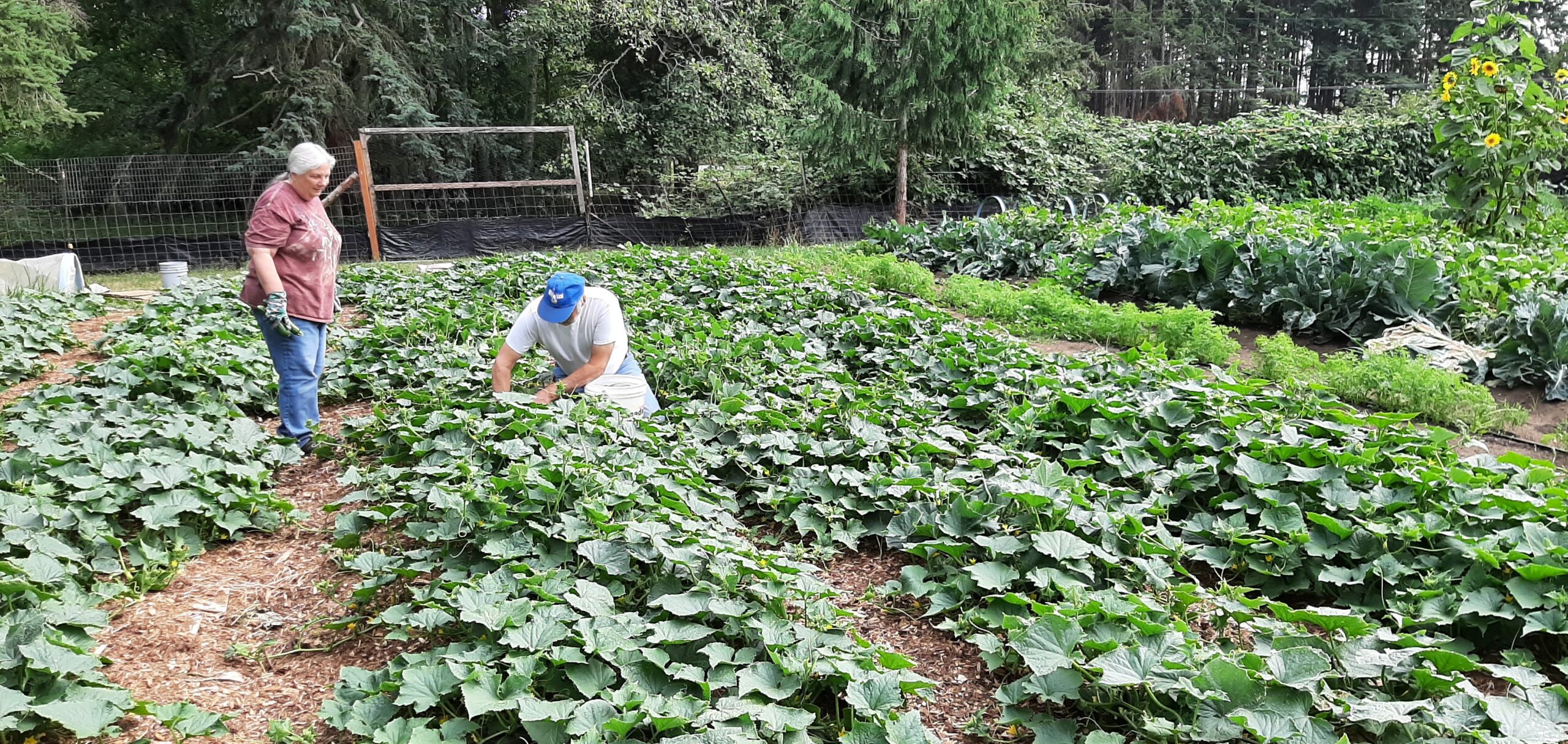
This morning I walked through my own garden to look at the plants that still keep a fresh, attractive appearance despite the drought. I've selected shrubs that require little extra summer water; during the past 8 weeks I have watered the most thirsty plants, such as my small group of roses and rhododendrons where the soaker hoses are. Other areas of the garden have received no extra water.
To prepare for summer's dryness, the soil was amended with compost before planting, and I use 2-3 inches of organic mulch, applied in spring and again in late fall. I grouped the plants that do require extra water, such as the rhododendrons, and laid soaker hoses around them. The majority of my garden has been in place for about 8 years. For the first 2 years I did need to water all newly installed plants, but now that they have good root systems, the water need has dropped off.
Take the time now while planning garden efforts to think of adding low water use plants. Here's the list of plants that haven't required water in my garden this summer. The champion plants for dry summers include a number of broadleaf evergreen shrubs. One of the most beautiful is the "strawberry tree," Arbutus unedo. This shrubby tree, growing very slowly to about 25 feet, is related to the native madrona, and has the same beautiful russet bark color. Place it in a sunny area. Leaves are shiny deep green, and the fall flowers dangle in white pendants. The tree is named for its fruit, globes of rosy red. The flowers and fruit occur at the same time, generally in November and December, giving the garden welcome late fall color. The fruit is edible but not particularly tasty.
If you like a feathery, open plant, consider Nandina domestica, called "heavenly bamboo" though it's not related to the common bamboo. Nandina is available in several different cultivar sizes, from small low growers that almost make a ground cover, ('Nana Compacta,' 'Nana Purpurea') to 6 footers in the standard plant, Nandina domestica. Nandina's beautiful all year round, with pinkish spring growth that becomes green as it matures. Foliage looks bronze in winter, and white flowers ripen to red berries in fall. It's a great plant for flower arrangers, and looks good no matter what the summer hot weather. Legend says that in Oriental households, a nandina beside the front door served to listen to the worries of the head of the household. So if you don't mind speaking to plants, this one might work! Nandina will grow in both sun and shade but has brighter leaf color in sun.
Another good small shrub is hebe, available in many different cultivars. I grow the standard Hebe buxifolia, a tidy 3 foot shrub with tight-packed deep green leaves. Hebes are native to Australia and New Zealand but are perfectly adapted to the maritime Northwest. All hebes like sun. Some of the cultivars, such as 'Patty's Purple,' are beautiful in perennial gardens but can be lost to sudden winter freezes.
Perennials that have managed well this summer include a lot of the semi-shrubby herb relatives, such as Artemisia 'Powis Castle.' It's about 2 feet tall, with silver foliage, and hasn't minded going without extra water. Euphorbias also cope with drought well: in my garden, Euphorbia wulfenii still carries tall stems completely covered in sage green leaves.
Of all the summer favorites, I appreciate hardy fuchsias the most, for their glorious color at this time of year. These are cousins, or perhaps brothers and sisters, of the basket fuchsias, but they do well all year outdoors planted as garden shrubs. The common Fuchsia magellanica, with long 4 foot wands draped in dangling red and purple flowers, is quite tolerant of low summer water. I've soaked its roots once this summer, and the colorful flowers bloom on joyously. If you grow hardy fuchsias, do not cut back the long stems in fall. Wait until spring to trim them back. They are particularly beautiful this year after a mild winter, because the warm temperatures allowed long graceful stems to continue to persist through winter. The plants are taller and more flowery than usual.
Enjoy talking to your garden center or nursery about drought-tolerant plants. These can make your garden gloriously beautiful as well as water efficient.
Hortsense: Managing plant problems with Integrated Pest Management