| |
|---|
These days gardeners are working hard to keep everything well watered. Drip irrigation systems or leaky hose soakers are real timesavers during summers like this. If you have an old leaky, kink-prone garden hose, transform it into a soaker by punching lots more little holes with a nail or an ice pick.
Don't let garden space stay vacant. When one crop comes out, plant another immediately. Turnips, Swiss chard, spinach, radishes, mustard and lettuce can still be sown. Lettuce can be tricky, because it doesn't germinate well in a warm, dry soil. Wait for a cool spell and water well, if it hasn't rained recently. Then plant them in the late afternoon, so the lettuce will have the cool night to start germinating. Good cultivars for fall and winter growing include "Little Gem", "Winter Density" (romaine), "Prizehead", "Oakleaf" and "Winter Marvel" (also called "Merveille d'hiver").
Now is the perfect time to set out transplants of fall or over-wintering broccoli, cauliflower, collards, kale, mustard or lettuce. If you didn't grow your own, some of the better nurseries may have starts. Soak the soil well before planting and cover the plants afterwards. It's best to transplant on a cool, overcast day, but those have been few and far between this summer. Transplanting in the evening, then covering the plants works fairly well. If you cover with floating row cover, leave it on for at least a week. If you use an overturned basket or box, remove it after a day or two.
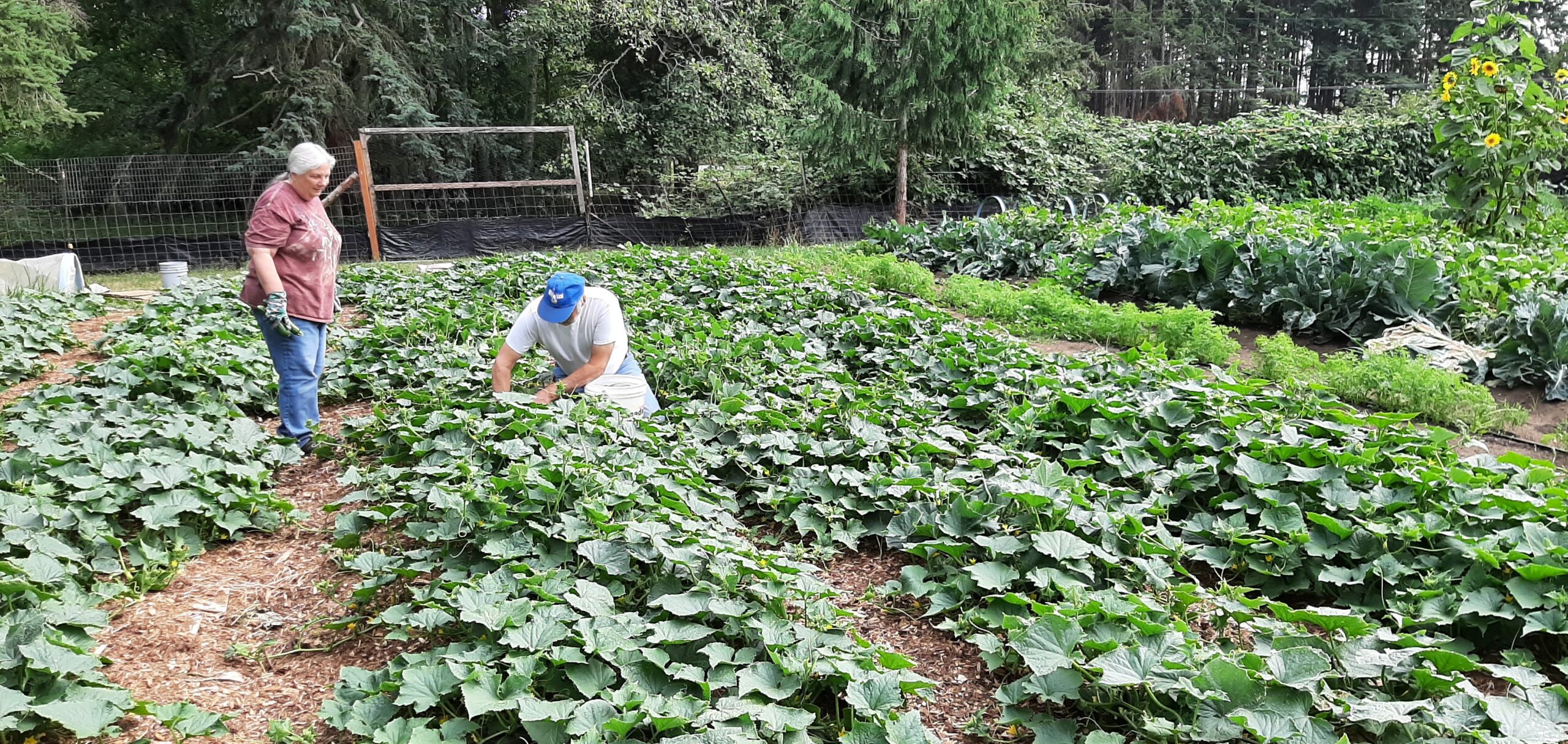
Keep your beans, cukes and summer squash picked or the flowering and fruiting will slow down. If you have more than you can use, remember your local food bank can use your bumper crop.
Cut all raspberry canes that bore fruit this summer back to the ground. The new canes growing this year will fruit next season in the case of summer bearer. Everbearers will fruit on the tops of new growth this fall and on the bottoms next season. Leave about 7 to 10 strong new canes per plant. Cut out all weak, skinny ones and don't let them come up between the rows.
Some folks have reported more mummyberry disease than usual on blueberries this year. The most obvious time to observe it is as berries approach maturity. Infected fruit become a reddish buff or tan while the healthy ones are waxy green. By the time the good berries are ready for harvest, many of the diseased ones will have fallen. Mature mummified berries are gray and hard. Next spring these will produce spores that will infect healthy shoots and fruit. Cultural control is very simple. Pick and destroy any mummified fruit that you can. Cultivate the soil under your plants in the fall before leaf drop and again in the spring around bud break to bury mummies. Add a fresh layer of mulch after the spring cultivation.
Are you confused about pruning tomatoes? There is a common belief that pruning leaves from tomato vines will allow sun to get to the fruit and ripen it faster. Research proves that just the opposite is true. The leaves produce the sugars and other products that are transported to the fruit to make them size up and ripen. Direct sunlight is not required and, in fact, it can cause sunscald on the fruit.
So what do you prune? If you are training the vines up a trellis, net or stakes, you should cut out some of the suckers (or secondary branches) that start between leaves and stems. This opens the plant up and provides better air circulation, which helps to prevent late blight. Pruning lower leaves of staked plants (ones touching the ground) can also help.
The only other pruning recommended is nipping off flowers and pea-size fruit soon. These don't have a chance anyway, so you want to direct the plant's energy into ripening the bigger green fruits before frost.
Start thinking now about herb wreaths, herb vinegars, and potpourris to use as holiday gifts. Sun-dried tomatoes, pesto, jams, pickles and onions or pepper strings also make nice gifts from the garden.
Don't forget to sketch your garden and jot down information for next year. We all think that we will remember. I guarantee you that next spring, when you are figuring out your rotation layout, you will be glad that you wrote out notes.
Hortsense: Managing plant problems with Integrated Pest Management