| |
|---|
The cool summer climate of the Puget Sound area is far from ideal
for certain vegetable crops. Tomatoes, peppers, corn, cucumbers,
beans and other crops that require a lot of heat, don't like the
cool nights that we experience during the growing season. Because
of these cool conditions, the days-to-maturity figures in seed
catalogs are not usually accurate here. A tomato, for example,
which normally takes 65 to 75 days to mature in a warm climate,
might easily take 90 to 100 days before first harvest here. Other
vegetables like eggplants, melons, okra and lima beans can be
nearly impossible to produce in our area.
To grow heat lovers, gardeners have devised many methods to enhance heat in the soil and in the above-ground environment. Tomatoes and peppers set out early in the season need to be kept warm at night. Hot caps, a kind of cone-shaped paper item, can be purchased and placed over the plants at night. Empty, gallon-sized plastic bottles with their bottoms cut off, can also be used. If you use hot caps or jugs, make sure that they are removed during sunny days to prevent heat buildup. On cold, overcast days they may be left in place.
Other commercial items are available in nurseries and garden centers to fool the plants into thinking they are warmer than they really are. The Wall-O-Water is a clear plastic device designed to be filled with water and then used to surround an individual tomato, pepper or other warmth-loving crop plant.
Black plastic film or dark-colored landscape cloth can be used as mulches around heat lovers. The soil beneath the plastic or cloth absorbs heat during the day and gives it off at night around the plants. Often these mulches are able to warm the top few inches of soil. This not only speeds up the growth of peppers, tomatoes, cucumbers and beans, but it's also likely to increase yields.
It is even possible to grow early cultivars of cantaloupe and watermelons on raised beds or rows using plastic mulch. For several weeks prior to planting, clear plastic can be used to solarize and raise the soil's temperature, so it's 10 to 15 degrees warmer than untreated areas.
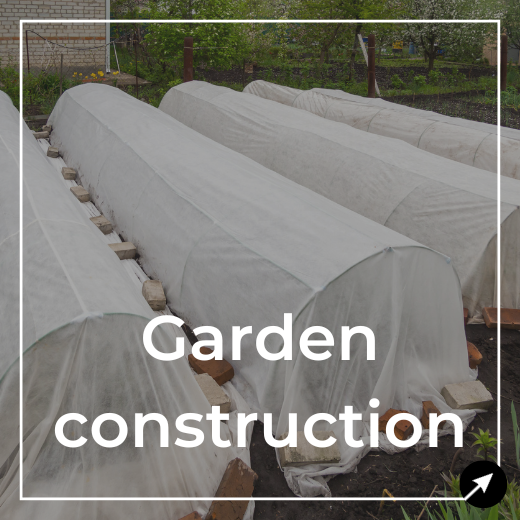
Clear plastic can also be used to make a tent over a row of plants or over individual plants of tomatoes or peppers. Use hoops of PVC pipe to hold up the plastic. The sides or ends can be arranged with flaps, which can be rolled up during the day to prevent heat buildup and let down at night to keep in the heat.
Gallon jugs filled with water can be put under the plastic in with the plants. The water will absorb heat during the day and give it off at night, warming up the mini-greenhouse. Flexible pieces of clear fiberglass can also be used over the rows and these have the advantage of being usable for many, many years. Plastic deteriorates in a few years and becomes trash.
Floating row cover materials like Reemay or Agronet can be laid over entire rows or beds of plants. They are extremely light and require no framing. As the plants grow, the row cover is pushed up, supported by the plants. They increase heat slightly around the plants and lead to earlier harvests.
For more information contact your local WSU Extension Office.