|
|
|---|
The most important things to remember are to start with large, healthy plants, and don't plant them out before the last frost. Even in western Washington, growers generally do not set tomatoes out before mid-May because the temperatures are not warm enough to promote plant growth.
To encourage more roots, plant your tomatoes deeper than they were in the pot. All those hairs on the tomato stem are potential roots. One method of planting tomatoes is to dig a trench for the plant instead of a hole. Lay the tomato on its side and bury part of the stem. New roots that form along the stem will be in the warmer topsoil.
Because tomatoes really appreciate warm soil, I always secure black or clear plastic over the planting bed for a good month before planting. This warms the soil. If you use black plastic, it will kill most weeds.
Besides cool temperatures, an excess of nitrogen also will reduce your harvest. Fertilize tomato plants when young. After reaching a height of 8 inches, a healthy green plant should be content with good soil alone. Too much nitrogen will encourage a leafy, dark green bush devoid of fruit.
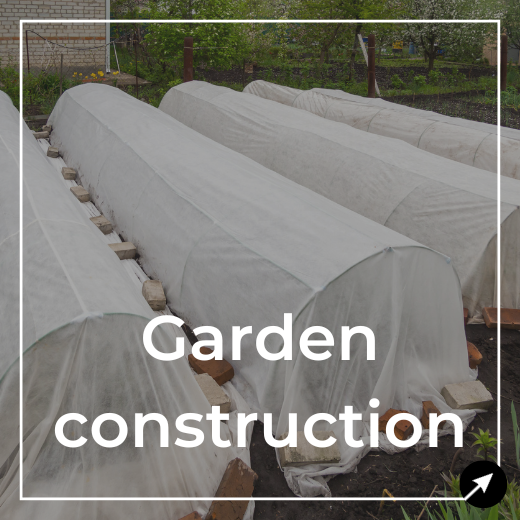
If you have a bumper crop of almost red tomatoes when fall arrives, pull out the clear plastic again. Drape it over your plants, supported by tomato stakes, and use clothes pins to keep the ends shut. This greenhouse tent will protect your plants from frost, allowing them to live and produce ripe fruits. Remove any flowers or young green fruits that don't stand a chance. The plants need all their energy to ripen the more promising fruits.
Still one more trick can be used. A stressed plant will hurry to produce offspring before it dies. One way to stress a plant is to cut its root system. Push a shovel into the soil halfway around the plant, about 8 to 12 inches from the base.
If you employ all these tricks, you should have juicy, red tomatoes, even in the shortest summers. But if all else fails, windowsill ripened tomatoes will have to do.
For further information contact your local WSU Extension Office.
From The Gardener, Vol 7 No2, Summer 1996.