Washington State University HomeWSU AdmissionsWSU CampusesWSU HomeWSU Search Tools*
edge graphic

Gardening In Western Washington
Presented by WSU Cooperative Extension


Pollinator Protection

Gardeners are becoming more concerned over lack of pollination in fruits and vegetables. Two mites that parasitize the adult and larval stages of European honey bees (Apis mellifera L.) have devastated this species. An estimated 95% of all wild colonies and 40% of managed colonies are dead. Other factors contributing to reduced pollination are the misuse of pesticides and loss of habitat.

European honey bees were introduced to North America and have been competing with native pollinators for forage. If the future of honey bees is limited, what can we do on an individual basis to protect and enhance other pollinators, such as bumble bees and orchard mason bees?

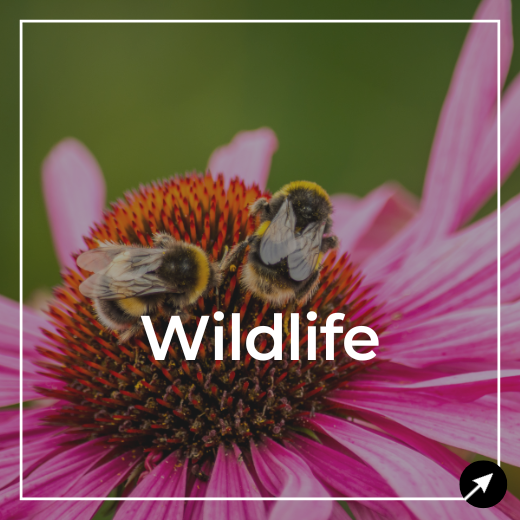
Habitat conservation is the key. Establishing long lasting nesting sites and a plant community that produces nectar and pollen throughout the nesting season will support pollinator conservation. Bees prefer sunny open areas having a diverse selection of food plants. Conifer forests with few flowering plants are poor pollinator habitats, as are well- manicured lawns. Permanent bee "pastures" located near the crop of interest should include perennial herbs and shrubs. Include native flowers, as they are a primary source of food for many specialized pollinators. Plants providing pollen and nectar for pollinators include: heathers (winter and summer blooming), borage, monardas, calendulas, cornflower, fireweed, perennial blue aster, lavender, mallow, blueberry, marsh cinquefoil, dewberry, flowering cherry, flowering crabapple, huckleberry, blackberry, cosmos, black-eyed susans, lupines, and mints.

Pollinators also need places to hide from predators, a source of water, and mating sites. Some need mud or nesting materials like dead grass. All need a place to establish their nests free from pesticides and disruption. For example, dead trees, stumps, hollow stemmed shrubs and canes, hedgerows, and wooden nesting blocks can provide shelter.

Gardeners can play a vital role by feeding and protecting threatened pollinators. Across the landscape, garden by garden, these "nectar corridors" can help preserve local and migratory pollinators.


Nancy Ness, WSU Master Gardener coordinator, Mason County

Recommended reading:


navigational