Washington State University HomeWSU AdmissionsWSU CampusesWSU HomeWSU Search Tools*
edge graphic

Stewardship Gardening


{short description of image} Northwest Native Plants
{short description of image} Composting
{short description of image} HortSense
{short description of image} Green Manure / Cover Crops
{short description of image} Organic Gardening
{short description of image} Groundwater Protection
{short description of image} Biosolids
{short description of image} Stewardship Gardening
Links
{short description of image}

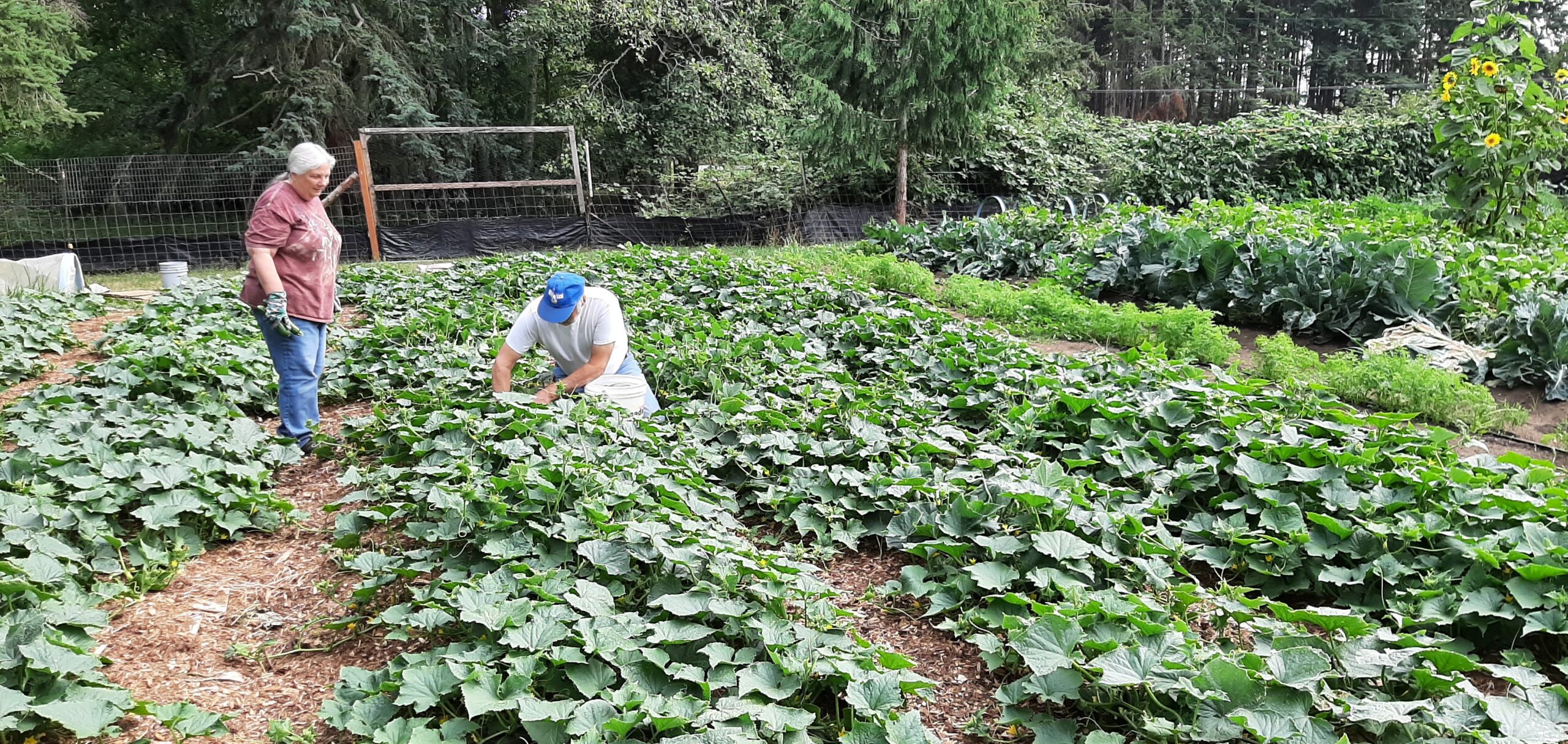
Gardening is one of the oldest of all human activities, and one of the most satisfying and productive. Tending plants provides fruit and vegetables, shade and shelter, and beauty of flowers and leaf tones. Physical health, neighborly involvement, and a sense of community can grow with gardens just as carrots do. But what about the gardener’s effect on the natural surrounding environment?

Terms like “eco-gardening”, “green gardening”, “environmental gardening”, “sustainable gardening”, and “garden stewardship” occur often. They all have the same basic meaning: the gardener makes a series of choices when deciding to engage in “garden stewardship”.

What choices would make an individual garden “green” or “sustainable” or “ecological”? A “sustainable” garden would include practices that will produce the desired crop but also offer shelter for beneficial birds and insects, and protect resources of soil, water, and energy. Some of these practices are garden waste recycling through composting, selection of site-adapted plants, use of fewer pesticides, choice of least-toxic pesticides, water conservation and the protection of water quality, use of alternative non-synthetic fertilizers, and protection of soil resources by planting cover crops.

Source: Mary Robson, Pierce County Cooperative Extension


Stewardship Gardening: Garden Management with Environmental Concerns


navigational map