Washington State University HomeWSU AdmissionsWSU CampusesWSU HomeWSU Search Tools*
edge graphic
Stewardship Gardening

Organic Gardening

Organic fertilizers


Insecticidal soap


Bt - An environmentally-friendly insecticide


HortSense

Stewardship gardening links
outside WSU

{short description of image}

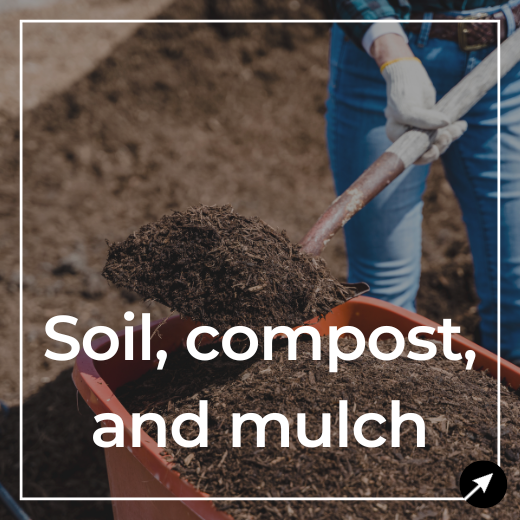
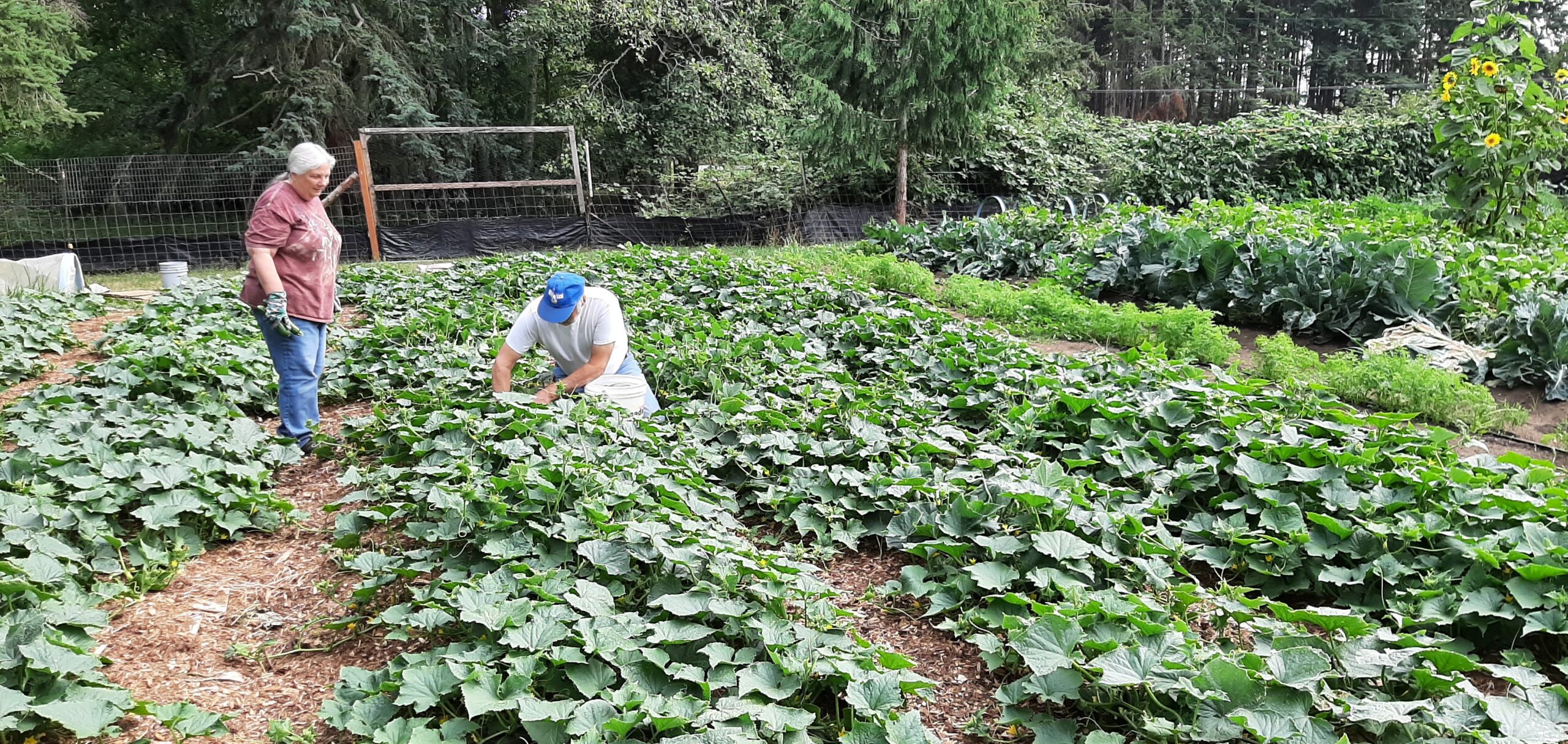
Organic gardeners attempt to work in harmony with nature to produce healthy crops. One of the keys of organic gardening is to build a healthy soil ecosystem through the incorporation of compost, manure, cover crops, and rock minerals.

Composted yard waste is applied to agricultural crops as a nutrient source.

Composted yard waste applied to agricultural crops as a nutrient source.

Good soil is essential to grow healthy plants that are able to survive pests and diseases. Organic gardeners also rotate crops, monitor insect populations, exclude pests from plants with barriers, select pest resistant crop varieties, and encourage natural predators to manage pest and disease problems. But they may resort to botanical pesticides (made from plants) or to pesticides made from naturally occurring minerals (e.g., sulfur). So organic does not necessarily mean without pesticides. Organic food is defined by the Washington State Department of Agriculture (WSDA) as food produced without the use of synthetic fertilizers and pesticides.

As a result of 1988 legislation sought by the Tilth Producers Coop, the state began certifying organic farms. The WSDA's Organic Food Certification Program verifies the claims of organic farmers through on-site inspections, pesticide residue testing, and maintaining audit trails on organic food products.

See WSU Extension Bulletin #0648, "Organic Gardening," for more information or contact your local Extension Office.

Source: Van Bobbitt, Community Horticulture Coordinator, WSU Extension. 1998 Reference: Washington Tilth Directory, 1995-96.


Stewardship Gardening Home


navigational map